Energy
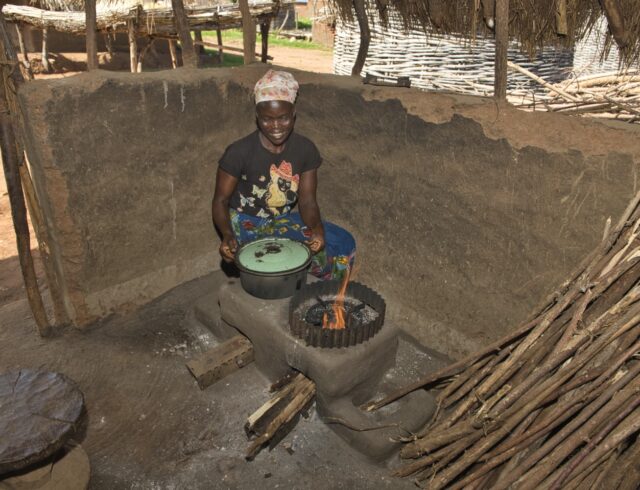
In partnership with CQuest, COMACO has distributed 97,463 fuel-efficient cookstoves that are monitored annually for their use and maintenance.
Women’s Empowerment
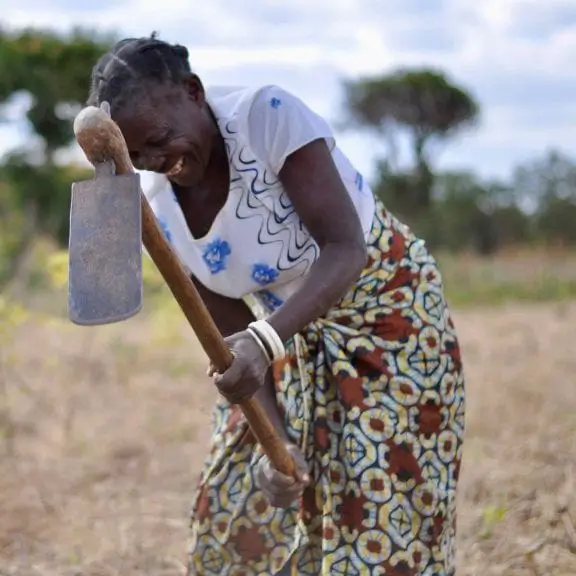
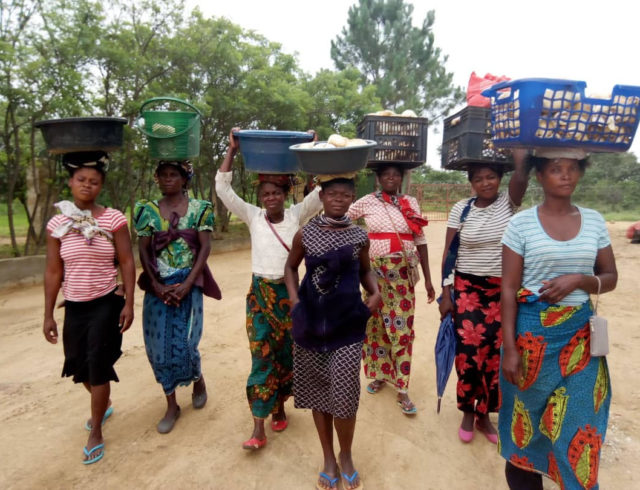
52% of COMACO farmers and half of all cooperative leaders are women, figures that would have been unimaginable twenty years ago.
Manufacturing as a Tool for Conservation
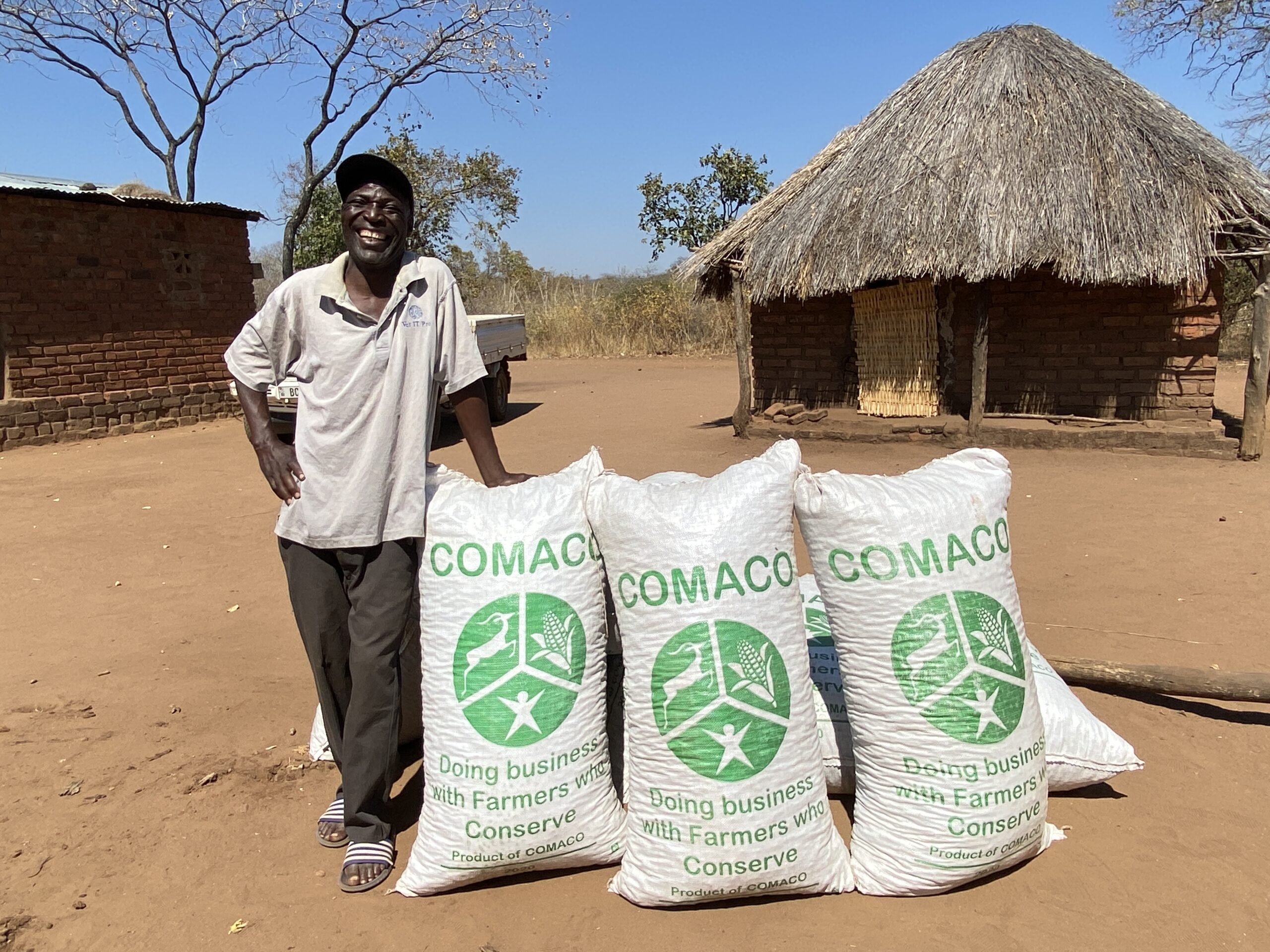
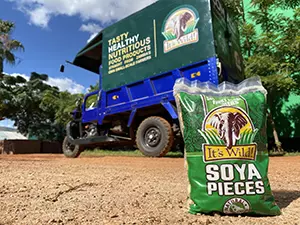
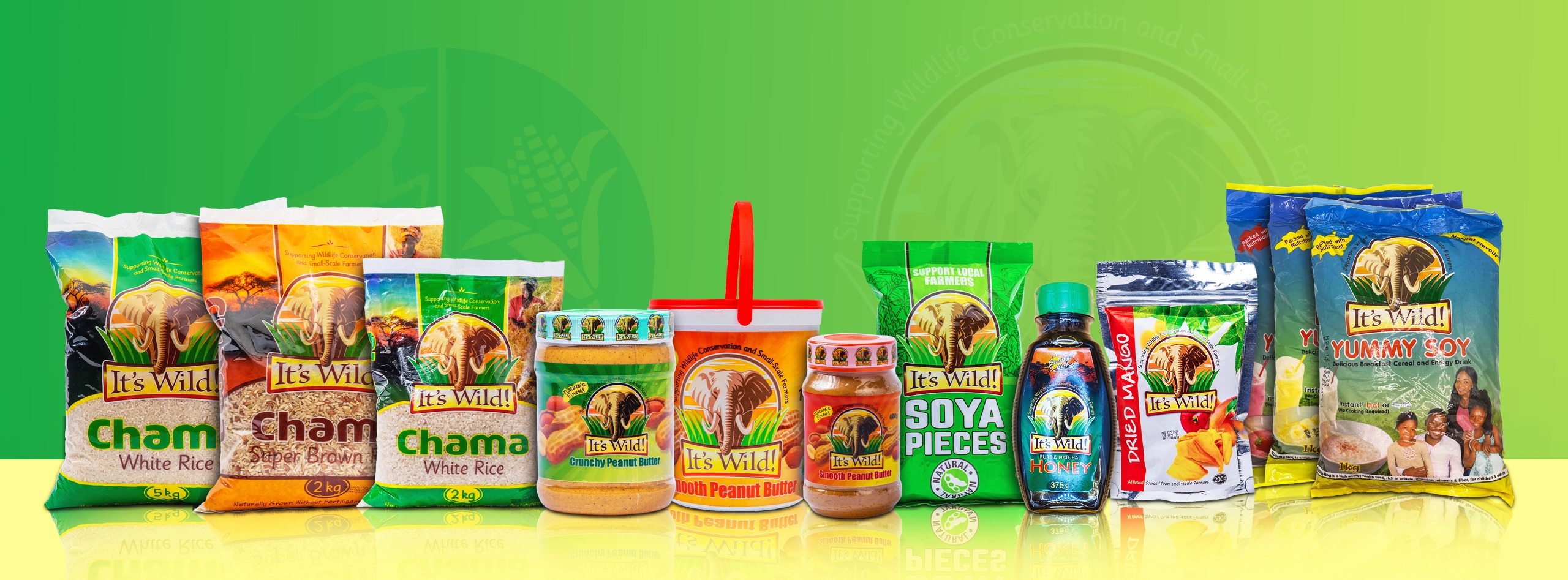
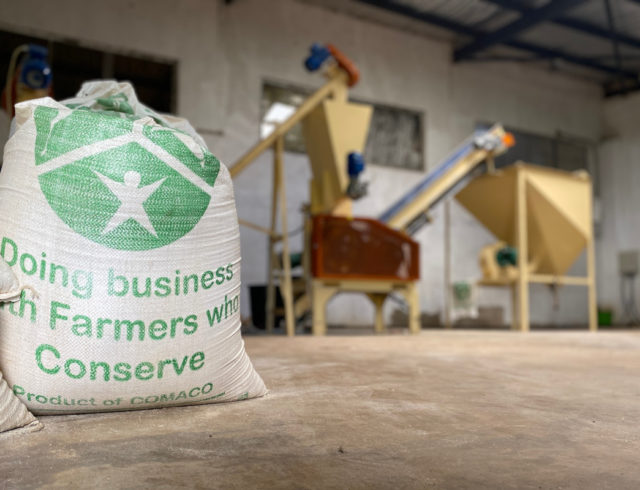
We supply over 8,000 tons of nutritious food products to Zambia’s cities and towns annually under the brand It’s Wild!.
Carbon Project
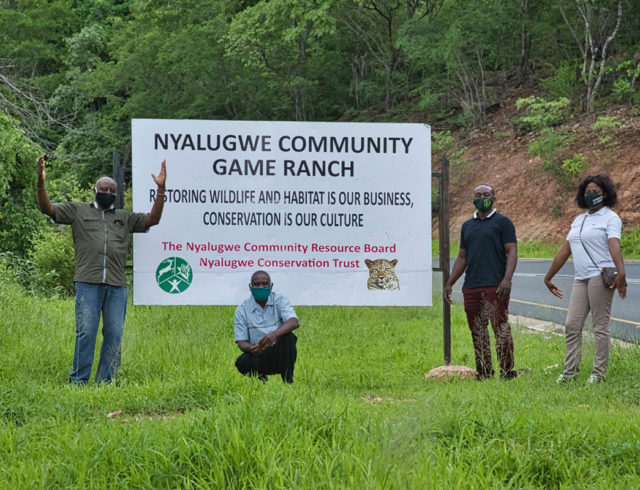
We worked with local chiefs to establish Community Conservation Areas designed to safeguard Zambia’s forests and the wildlife within them.
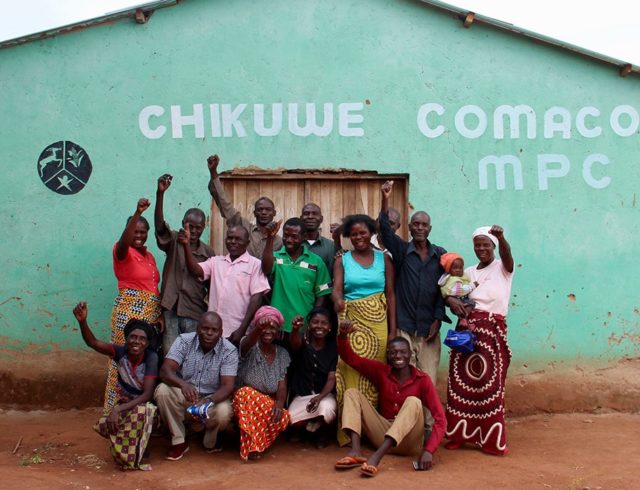
Cooperatives
We helped establish 103 community-run cooperatives in 84 chiefdoms across Eastern, Central and Muchinga Provinces of Zambia.
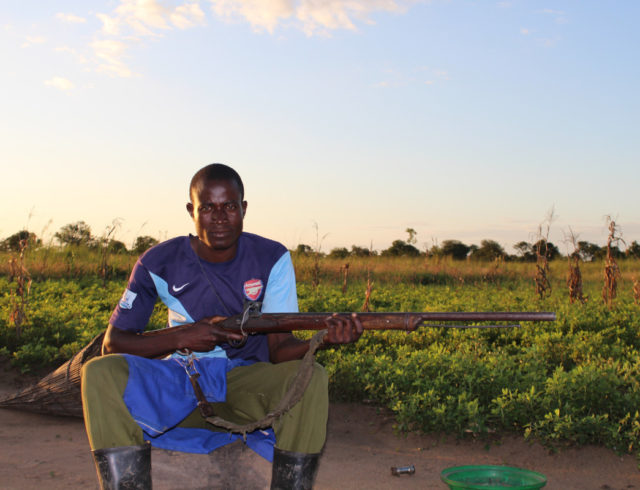
Transformed Poachers
COMACO started operating in Luangwa Valley with a mission to help wildlife poachers learn new skills to fulfil their livelihoods and protect wildlife.
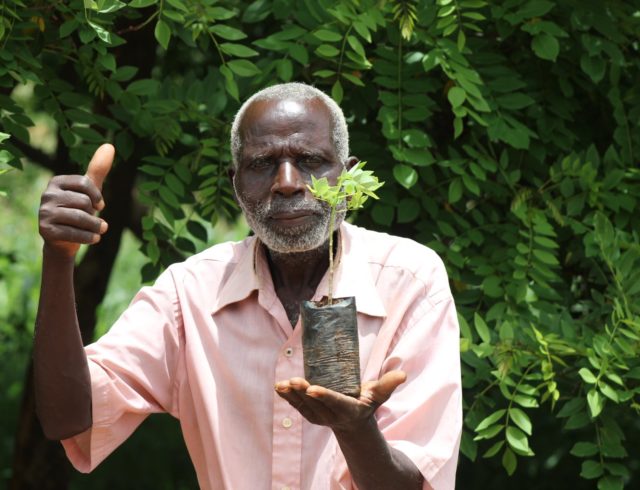
Agroforestry
In the 2020/2021 season, we partnered with 72,000 farmers in Eastern and Muchinga provinces to plant over 46 million Gliricidia Sepium trees.
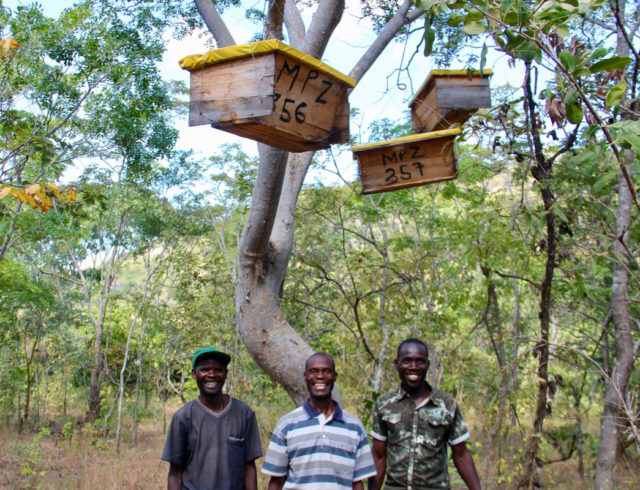
Beekeeping
We work with over 7,000 farmers in the Luangwa Valley not only to protect landscapes and forests, but also to improve household nutrition and income.
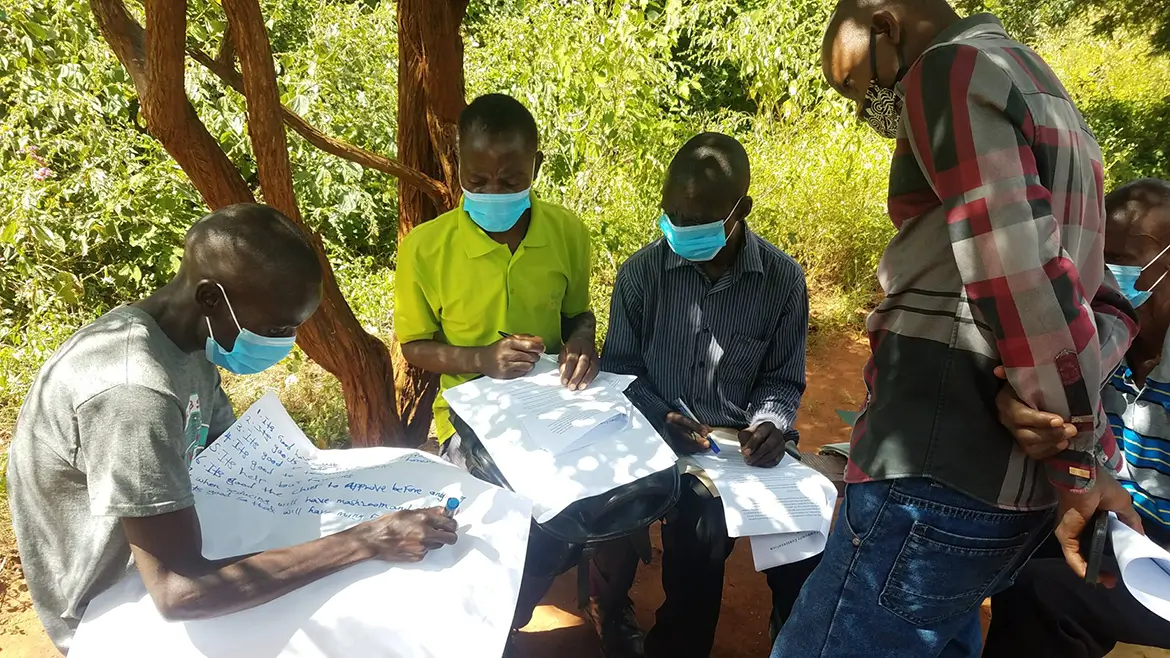
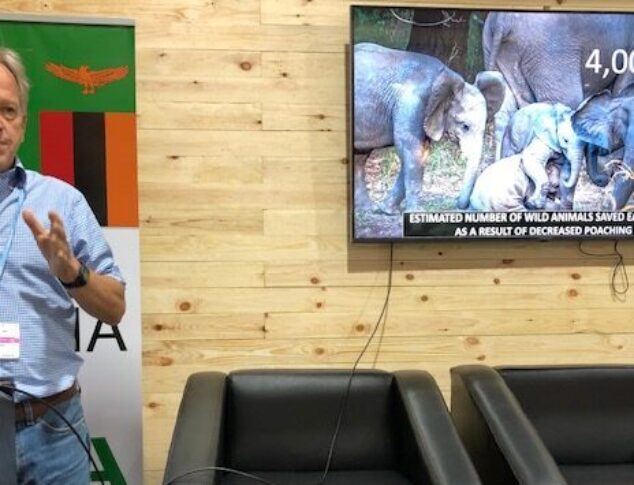
COMACO COMMENDS GOVERNMENT’S CONFERENCE OF PARTIES (COP27) APPROACH
Lusaka, Zambia/Africa – The Community Markets for Conservation (COMACO) has commended government for
COMACO AT COP27 – Farmers, Carbon Markets, and A Model Scaling for Climate Solutions
In a few days, #COP27 in Egypt will bring Heads of State and thousands of people together to decide the future
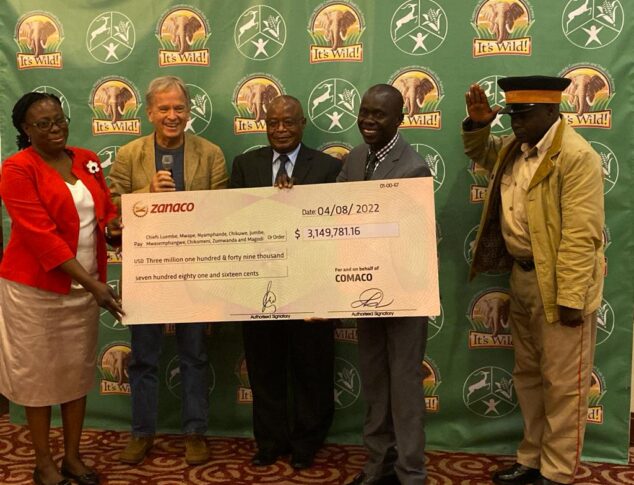
COMACO Delivers Multimillion Dollar Carbon Credit Transfer/Project to Nine Chiefdoms in Zambia
Lusaka, Zambia/Africa – The Community Markets for Conservation (COMACO) is enabling a multimillion-dolla