Innovating rural markets for a "greener", more food secure Africa
Home | Visuals | About COMACO | Challenges | Solutions | Results | Products | News | How You Can Help | Partners | Contact Us
COMACO Newsletter

Navigation

COMACO: restoring pride and dignity among the rural poor


COMACO Brings a Hopeful Solution to Rural Poverty in Zambia and to Human/Land Conflicts

COMACO (Community Markets for Conservation) provides a solution for how humans and the environment can coexist through a revolutionary approach that uses rural-based markets to support conservation. Read below to learn the challenges of the Zambian human/land conflict and how COMACO addresses these challenges by improving the lives of rural poor while conserving wildlife and other natural resources.

Read more about the COMACO model

Snares to Jewellery
”Snarewear is wearable art with a mission. The necklaces, bracelets, earrings and decorative pieces not only make a fashion statement, but a statement for conservation as well”, Dale Lewis

With stockpiles of over 40000 wire snares recovered from illegal hunters and poachers in the Luangwa Valley of Zambia, research was carried out to find alternate uses for the snares. With the help and direction of a Zambian Traditional Jeweller, Misozi Kadewele, a group of local women were recruited to start making the Snarewear.
Using wires handpicked from a pile of snares and seeds from local trees as beads, the group designs and creates necklaces, bracelets, anklets and decorative pieces.

With benefits ranging from improved income opportunities to food security for the group and the community at large, Snarewear has raised awareness on better livelihood skills as alternatives to poaching. Through its gradual increase in popularity among tourists and the local community, Snarewear has become a model for conservation.

View the Snarewear Collection

The Challenge: How Can Human Needs and Conservation Coexist?

Hunger and poverty drive destructive land use practices. To meet basic survival needs, wildlife, watersheds and soils are often degraded.

What would you do to survive? It was a bad season for crops. Your food harvest was too little to carry your family through to the next harvest. The time you devoted to growing cotton kept you from growing more food and the money you earned from the cotton company is still not enough to meet your needs. You were desperate then and you're desperate now. You have a family of 6, you have no money and no food. How are you going to feed your family? Today you don't have any other crops to sell, so you have to find another way to survive...

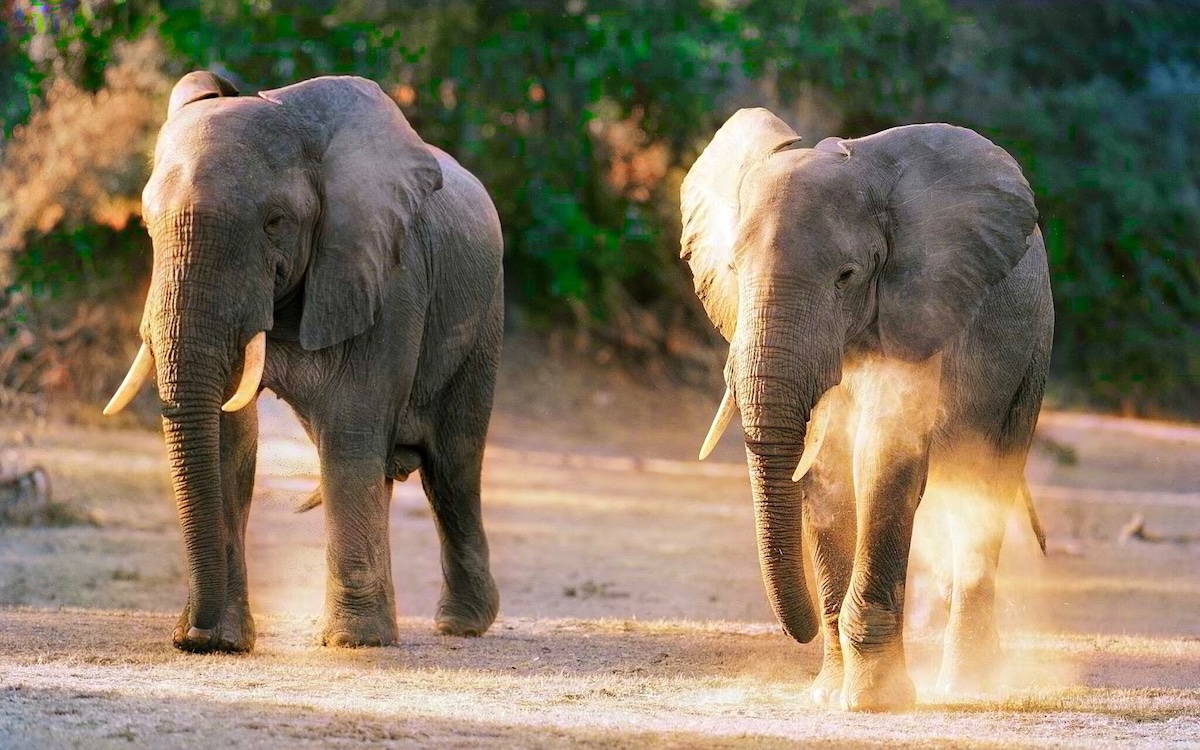
You take actions into your own hands and go out and kill an elephant so your family can survive. Conservationists around the world now hate you. They call you a greedy, selfish, inhumane poacher without even knowing the whole story?

Read more about the challenges of the Human/Land Conflict

Solutions to the Human/Land Conflict

Understanding the Human/Land Conflict leads to an improved strategy for conservation and land management

Years of research by Wildlife Conservation Society in Luangwa Valley, Zambia, concluded that rural people cannot plan their future or contribute to conservation when survival strategies of finding food preoccupy their day-to-day existence. Further research revealed that most families experienced 3-5 months of chronic food insecurity. This meant that to make progress towards solving the Human/Land Conflict, a plan needed to be developed to increase food security while replenishing and sustaining natural resources.

Read About COMACO's Eco-Friendly, Food Security Plan and Market Linkages for Sustaining Better Livelihoods and Increased Conservation

Tens of Thousands of Rural Poor Now Adopting COMACO?s Plan for a Better Life

Detailed monitoring of COMACO's results offer increasing evidence that Africa can build a better future for its people without sacrificing its vast wealth of natural resources.

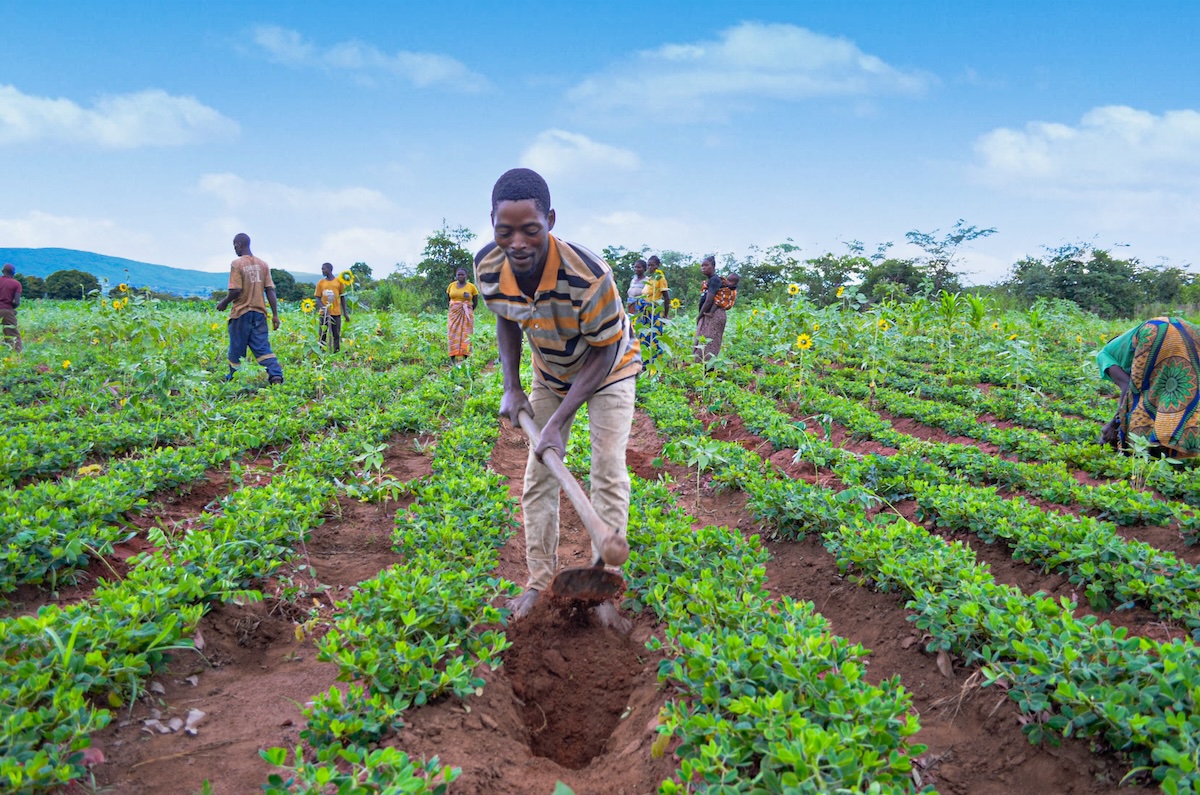
Simple adjustments in land use practices, like crop rotation, conservation farming, composting, and animal husbandry, have led to significant reductions in land conflicts when guided by the right market incentives. Rural response in Zambia made it possible to scale up COMACO quickly across much of Luangwa Valley, considered by many to be Zambia's Yellowstone. COMACO's results extend to multiple areas of interest, including economics, governance, partnership alliances, and ecosystem management. The process, however, is driven by a relatively simple concept: use business strategies predicated on helping poor people live with their natural resources. COMACO is showing that supply-chain strategies that link added-value commodities to household adoption of preferred land use practices and farming methods can greatly help rural people become better guardians of their land. It is also reducing the cost of conservation and building new opportunities for ecosystem management across Africa's fragile landscapes.

Read About COMACO's results and efforts by Wildlife Conservation Society to test the COMACO model as one of Africa's great experiments in linking conservation with rural development.


Copyright 2006, COMACO. All rights reserved. Website design by CMS Website Services,LLC.